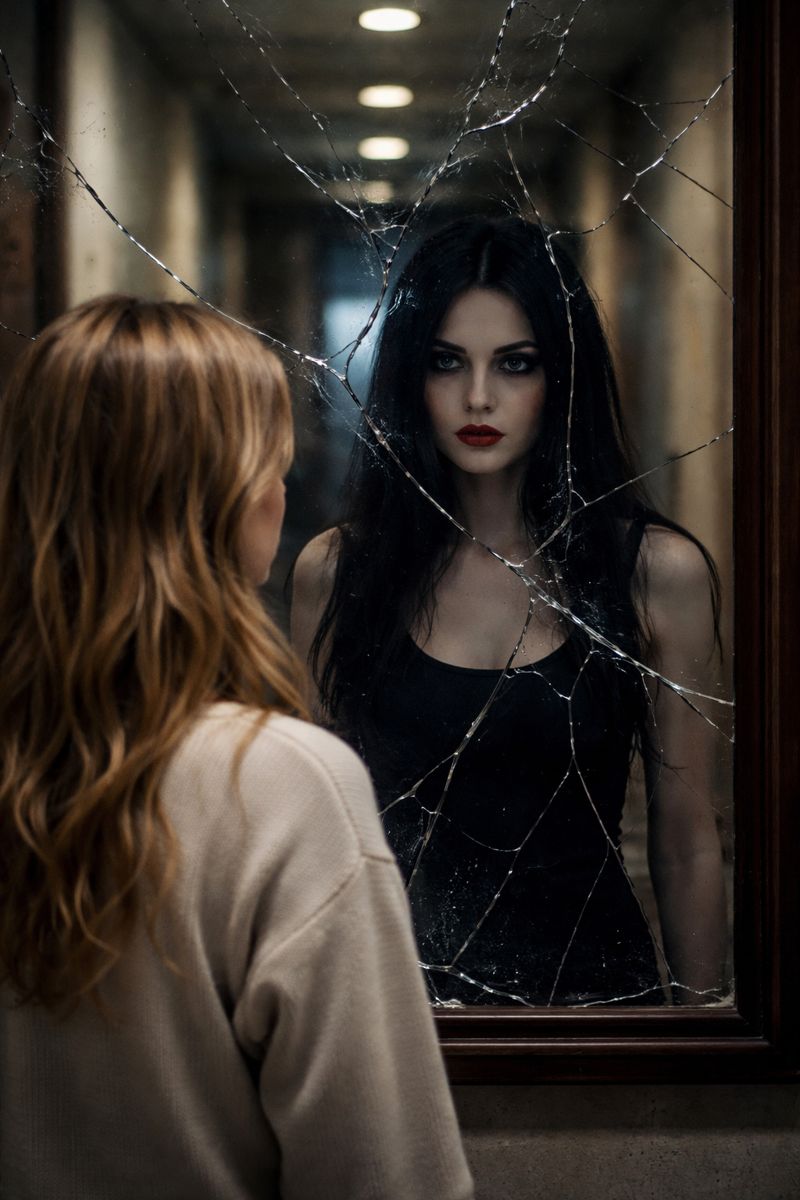
What Is “Unreliable Narrator” Horror?
An unreliable narrator is simple in concept and brutal in practice: the person telling the story might be wrong.
Not lying necessarily. Not “evil.” Just… not a stable camera.
In horror, this creates a unique fear: you can’t trust the world, because you can’t trust the lens you’re seeing it through. And once the lens cracks, everything becomes suspicious—every memory, every detail, every “fact.”
Why It’s Scarier Than a Monster
A monster can be fought, escaped, or explained. But a mind that can’t hold reality still?
That’s prison-horror.
Unreliable narrator horror taps into:
- Loss of control: if your perception fails, what do you do?
- Paranoia: everyone else might be in on something
- Isolation: you can’t prove what you know
- Self-betrayal: your own brain becomes the threat
It’s horror where the fear isn’t just outside the door—sometimes it’s inside your skull.
The 4 Most Common Ways Writers Create Unreliability
If you’re a reader who likes picking apart craft, here’s what usually causes the “I don’t know what to believe” effect:
1) Memory Gaps
Missing time, fragmented recollections, scenes that don’t connect cleanly. Horror loves this because memory becomes a haunted house: you open a door and something is gone.
2) Contradicting Evidence
The narrator remembers something, but objects/people/places don’t match. This creates dread because truth becomes movable.
3) Emotional Distortion
Fear, grief, obsession, trauma—strong emotion doesn’t just color perception; it reshapes it. The world becomes an echo chamber.
4) Institutional Pressure
Hospitals, clinics, authority figures, locked routines—places where someone else can label you “unreliable” and make it official. That’s a special kind of horror because it weaponizes doubt.
Why Readers Love This Subgenre
Unreliable narrator horror is addictive because it turns reading into participation. You’re not just consuming a story—you’re actively:
- testing reality
- noticing patterns
- questioning motives
- searching for what’s being hidden (even unintentionally)
It’s horror that creates obsessive page-turning because your brain keeps trying to resolve the puzzle: What’s real?
Why This Fits Dark Lullaby
If you enjoy unreliable narrator horror, Dark Lullaby is built for you.
It places you inside a world where:
- routine feels controlling
- memory feels slippery
- love and loss feel like a presence
- certainty becomes expensive
It doesn’t rely on “gotcha” tricks. The unease comes from a sustained atmosphere where the safest thing—your perception—doesn’t feel safe.
How to Tell If You’ll Enjoy It (Quick Test)
You’ll like unreliable narrator horror if you enjoy sentences like:
- “Wait… did that happen?”
- “Why does this detail feel off?”
- “I need to reread that page.”
- “I don’t trust anyone—including the narrator.”
If that sounds fun instead of frustrating, welcome home.
Reading Tip: Don’t Rush It
This subgenre rewards slower reading. If you speed through, you might miss the quiet contradictions that make the dread bloom.
A good approach:
- read 1–3 chapters per sitting
- pause when something feels “slightly wrong”
- let the discomfort sit before you explain it away
Want a Modern Psychological Horror With This Vibe?
If you’re craving a book that makes you question reality in the best way, try Dark Lullaby.
CTA:
- Read a free sample chapter of Dark Lullaby:
- Buy the novel
FAQ
Is unreliable narrator horror the same as a twist ending?
Not always. Sometimes the power is the sustained uncertainty, not a single reveal.
Is it confusing?
It can be—on purpose. The goal is controlled disorientation, not random chaos.