Sleep paralysis horror book fans know the most terrifying monster is the one that pins you to the bed while your mind is awake.
If you’ve ever felt trapped between dreaming and waking, you already understand why this fear works so well in fiction. Dark Lullaby leans into that same helpless, whisper-close dread—without relying on cheap gore.
Table of Contents
Why a sleep paralysis horror book hits harder
Sleep paralysis is a real phenomenon where the brain wakes before the body’s muscle “off switch” releases. The result can include pressure on the chest, the sense of a presence, and vivid hallucinations. If you want a simple explanation, start with Wikipedia’s overview of sleep paralysis and then a medical perspective like Cleveland Clinic’s guide. Those resources describe the basics without turning it into spooky folklore.
In horror, sleep paralysis is powerful because it blends three fears at once: loss of control, uncertainty, and intimacy. You are not running from something across the street. You are stuck in your own skin. That closeness makes every small sound feel personal.
Sleep paralysis horror book signs to watch for
Writers often use the same cues to recreate that experience on the page:
- A familiar room that suddenly feels wrong
- A sound that repeats (a lullaby, a hum, a distant footstep)
- A presence that seems to watch from the corner
- Time that stretches, snaps, or loops
- The dread that help is nearby but unreachable
When you notice these patterns, your brain starts anticipating the next “freeze.” That anticipation is the hook.
How Dark Lullaby uses the “can’t move” feeling
Dark Lullaby isn’t about literal sleep paralysis. It’s about the emotional version of it: routines that trap, memories that misfire, and love that refuses to stay in the past.
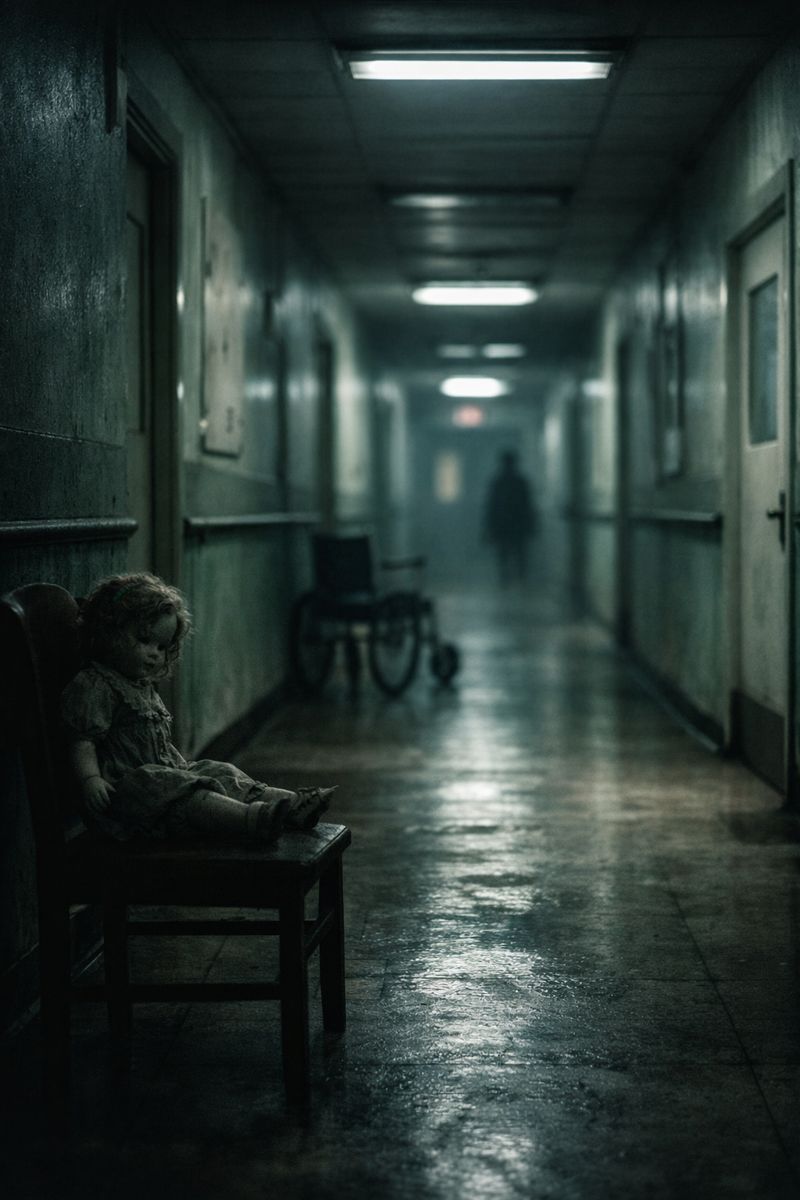
The clinic setting amplifies that. Doors close. Rules decide your day. Other people interpret your reality for you. That’s the same structure sleep paralysis creates: you have awareness, but no authority.
If you haven’t yet, read our post on unreliable narration at /unreliable-narrator-horror-explained/ and our setting deep-dive at /psychiatric-hospital-horror-claustrophobic-setting/. Together, they explain why Dark Lullaby’s tension feels so tight.
A visual mood cue
Use a featured image that signals confinement and cold light. Here’s an example you can place near the top of the post.

Reading tips for maximum dread (without ruining your sleep)
- Read in short sessions. One to three chapters is plenty.
- Avoid reading right before bed if you’re prone to vivid dreams.
- Keep a warm lamp on. Total darkness can overcharge the mood.
- Pause when a detail repeats. Repetition is rarely innocent here.
- If you need a reset, read a page of something neutral after you stop.
Want to test the vibe before committing? Start with the sample chapter at /read-sample/. If it hooks you, go straight to the book page at /dark-lullaby/ and continue when you’re ready.
Quick FAQs
Is this a jump-scare style story?
No. It’s slow-burn psychological dread.
Is it gory?
The focus is atmosphere and perception, not gore.
Why does this theme feel so real?
Because sleep paralysis is grounded in real experiences, and the emotional logic—being awake but powerless—maps perfectly onto psychological horror.
If you’re curious about the science of fear, the APA explains how stress and trauma shape perception. That context helps you read Dark Lullaby as scares: a story about what the mind protects, and what it invents when sleep breaks.
Final thought
A great sleep paralysis horror book leaves you with one lingering question: what if the thing you feared wasn’t “out there,” but inside the moment you couldn’t move? Dark Lullaby is built to make that question echo.