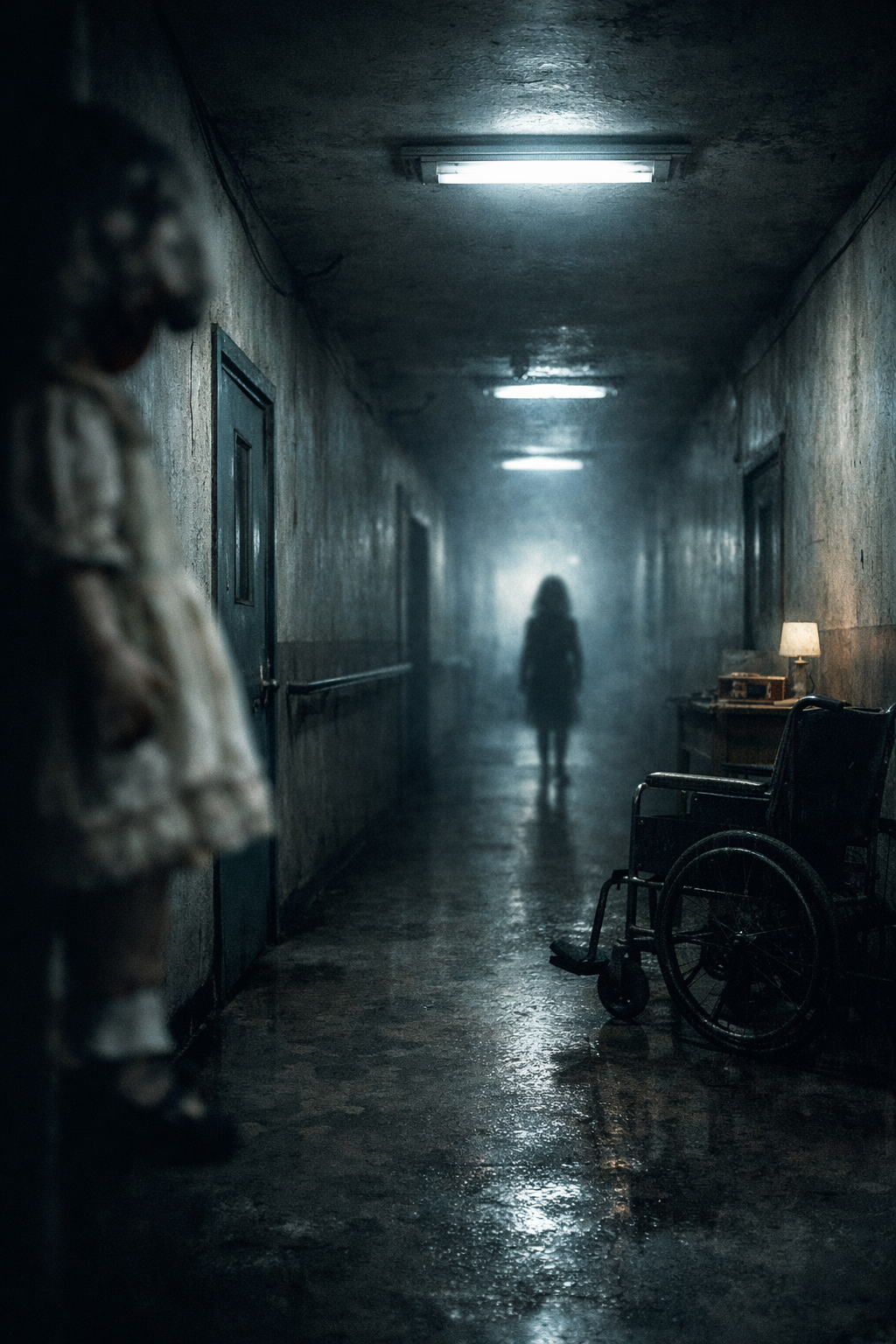
Psychological horror book for adults: if that phrase makes your pulse jump, Dark Lullaby was written for you.
This guide helps you decide whether it’s your next read, how to read it for maximum dread, and where to start if you’re new to mind-bending horror.
Table of Contents
What Makes a Psychological Horror Book for Adults Work?
Psychological horror isn’t about jump scares. It’s about tension that grows inside your head and refuses to leave. The best stories use three tools: uncertainty, intimacy, and consequence.
Uncertainty means you can’t fully trust what you’re seeing. Intimacy means the fear feels personal, like it’s happening to you, not “a character over there.” Consequence means the dread matters emotionally, not just physically. When those three combine, the result is slow-burn fear that lingers.
A Psychological Horror Book for Adults Checklist
If you’re shopping for this subgenre, look for:
- A strong sense of place (rooms, corridors, routines)
- A main character under pressure, not in control
- Details that repeat, drift, or contradict
- Emotional stakes that hurt, not just scare
- A finale that recontextualizes what you thought you knew
Dark Lullaby checks these boxes by leaning into institutional atmosphere, fractured memory, and the heavy weight of grief.
Who Should Read Dark Lullaby?
Dark Lullaby is a psychological horror novel set in an institutional environment where routine, observation, and isolation shape the atmosphere. It leans into fragile memory, grief, and the uneasy feeling that reality might be slipping.
You’ll likely enjoy it if you love:
- Unreliable reality and “wait… what?” moments
- Quiet, cinematic scenes and heavy mood
- Emotional horror tied to loss and longing
- Tension that escalates rather than explodes
You may not enjoy it if you only want fast pacing, constant action, or clear answers early. This story rewards attention and patience.
Reading Tips for Deeper Fear
- Read in shorter sessions. One to three chapters per sitting keeps the unease sharp.
- Notice repeated details. In psychological horror, repetition is rarely harmless.
- Don’t skim the quiet parts. The silence is where the dread is planted.
- After a tense scene, pause for ten seconds. Let your brain fill the gap.
- If you like ambience, try low-volume rain or soft piano. Avoid lyrics.
For more context on the subgenre, you can also read our breakdown of unreliable narration and why it works.
Explore more: check our psychiatric hospital horror setting post, and bookmark this guide for your next reading session when you need a slow burn.
A Visual Mood Cue
Below is a suggested featured image. Use alt text that matches the focus keyword for SEO.

Why This Book Fits Right Now
Many readers are tired of “loud” horror and want something more intimate, more unsettling, and more human. Psychological horror delivers that. It turns ordinary objects into threats and simple sounds into warnings. Dark Lullaby taps into a modern appetite for dread that is emotional, not just shocking.
If you’re building a reading habit again, psychological horror can also be surprisingly accessible. The chapters pull you forward because you want clarity, but the story makes you work for it. That push-and-pull is the hook.
Common Questions
Is it gore-heavy?
No. The fear is atmosphere and mind-games first.
Is it more horror or thriller?
It’s horror in the way it destabilizes you, even if the suspense reads fast.
Can I read a sample first?
Yes. Start with the sample chapter, then decide.
Ready to Enter Dark Lullaby?
If you want a psychological horror book for adults that feels cold, intimate, and relentlessly tense, begin with a sample chapter. When you’re ready, grab the full book and read it in the dark.