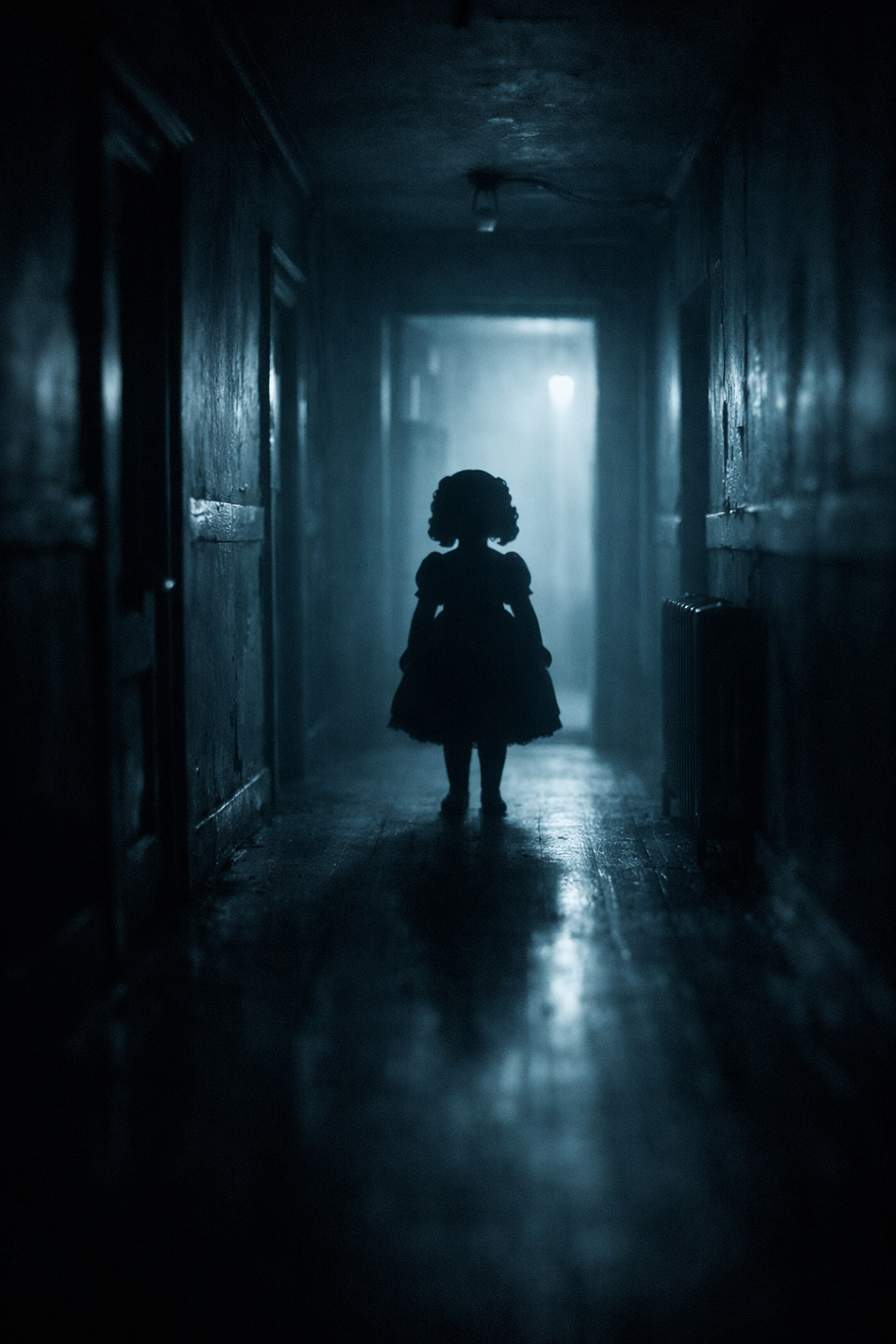
Dark Lullaby — What It’s About (Without Spoilers)
Some horror stories chase you with monsters. Others trap you in a room with your own thoughts and quietly lock the door.
Dark Lullaby is psychological horror that leans into uncertainty, memory fractures, and dread that builds slowly—the kind that follows you after you close the book. The story centers on a woman living inside the strict routines of a psychiatric clinic, where time blurs, details don’t line up, and the past refuses to stay buried.
There’s a lost love. There’s a presence that may or may not be real. And there’s a lullaby—soft, recurring, and wrong in a way that makes your stomach tighten.
This is a novel for readers who like horror that makes you question what you’re seeing.
The Core Vibe: Quiet Dread, Not Jump Scares
If you’re used to horror that hits fast and loud, Dark Lullaby is different. It works like a drip of cold water in a dark room: steady, repetitive, impossible to ignore.
Expect:
- Atmosphere first: tension in hallways, silence that feels watched
- Psychological pressure: doubt, paranoia, and shifting reality
- Emotional weight: grief and longing woven into the fear
- A creeping “something isn’t right” feeling rather than constant action
It’s not about gore. It’s about the mind turning into a maze.
What Kind of Horror Is Dark Lullaby?
If you like labels (and readers do), Dark Lullaby fits into:
- Psychological horror
- Unreliable narrator / distorted reality
- Institutional dread (the fear of being controlled, watched, evaluated)
- Grief horror (when loss becomes a presence)
It’s scary in the way a nightmare is scary: not because it’s loud, but because it feels true while you’re inside it.
Who This Book Is For
You’ll probably love Dark Lullaby if you enjoy:
- stories that make you question what’s real
- horror where setting and mood do a lot of the work
- themes of memory, sanity, grief, and obsession
- “I need to talk about that ending” type books (without relying on cheap twists)
Comparable vibes (not a promise—just a feel):
If you like psychological unease from films like Shutter Island, Black Swan, or slow dread like The Babadook, this is in that lane.
Who Might Not Like It (Honest Take)
You might want to skip Dark Lullaby if you only enjoy:
- nonstop action or constant jump-scare pacing
- very explicit gore as the main source of horror
- straightforward “the monster is X” explanations early on
This book’s fear comes from uncertainty. If uncertainty frustrates you instead of hooking you, that’s worth knowing.
Themes (Spoiler-Free)
Without revealing plot turns, Dark Lullaby explores:
- Sanity vs. perception: what if your mind is lying to you?
- Grief: love doesn’t always leave when someone is gone
- Control: institutions, rules, locked doors, and the feeling of being powerless
- Objects as anchors: a worn doll, a familiar sound—comfort that becomes unsettling
These themes aren’t just “there.” They’re the engine of the dread.
Content Notes (General, No Spoilers)
Because readers appreciate transparency, here are broad content notes:
- psychiatric institution setting
- mental health crisis themes
- grief / loss
- emotionally intense scenes
If your store includes a more detailed “content warnings” page, link it here.
How to Read It for Maximum Effect
If you want Dark Lullaby to hit the way it’s meant to:
- Read at night (obvious, but true).
- Avoid distractions—this is a “sink into it” book.
- Let the quiet parts breathe. The tension is in what’s not said.
Ready to Enter the Clinic?
If you want a horror novel that **doesn’t just scare you—**it unsettles your sense of reality, Dark Lullaby is the read.
CTA options (use both):
- Read a free sample chapter: (link to your sample page)
- Buy Dark Lullaby now: (link to checkout/product page)
FAQ
Is Dark Lullaby a supernatural horror book?
It leans psychological first. The experience is designed to keep you questioning what’s real.
Is it gore-heavy?
It’s more atmosphere and mind-horror than gore.
What’s the pacing like?
Slow-burn dread with rising tension rather than constant action.