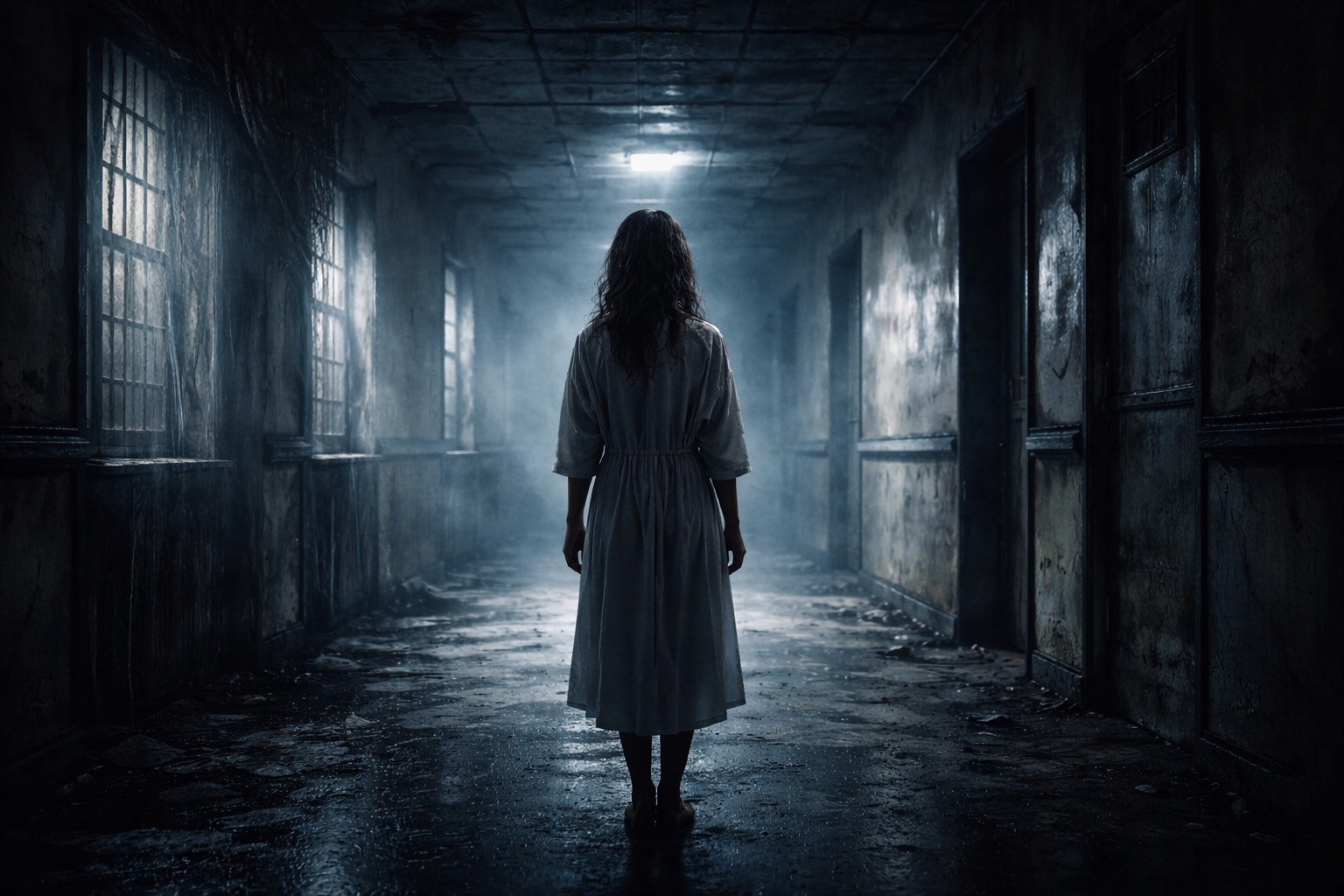
Unreliable narrator horror novel fans don’t want answers—they want doubt.
This subgenre is terrifying because the “camera” is broken.
You’re not just afraid of what’s happening. You’re afraid you can’t trust what you’re seeing.
Below are the core mechanisms that make an unreliable narrator horror novel addictive, and why Dark Lullaby is built for readers who love controlled disorientation.
Table of Contents

What an unreliable narrator horror novel really is
An unreliable narrator is a storyteller whose version of events can’t be fully trusted. That doesn’t mean “lying.” It can mean missing memories, emotional distortion, or perception that shifts under pressure.
In horror, that unreliability turns the entire world unstable.
For a quick, simple definition, see: Unreliable narrator (Wikipedia).
Unreliable narrator horror novel: 7 dark secrets
1) Your brain tries to “fix” the story
You keep reading because your mind craves certainty.
2) Contradictions create dread
A small mismatch—time, location, detail—can feel like a crack in reality.
3) Memory gaps become haunted rooms
Missing time is terrifying because you can’t defend what you can’t recall.
4) Emotion reshapes facts
Grief, fear, obsession—strong emotions can rewrite meaning without warning.
5) Institutions amplify doubt
In controlled environments, other people can label you “unreliable” and make it official.
6) Repetition becomes a signal
When details repeat, readers sense intention—even if they can’t prove it.
7) The ending re-colors everything
The best books don’t just reveal. They reframe.
How to read it for maximum impact
Don’t rush. This style rewards attention.
- Read in short sessions (1–3 chapters).
- Pause when something feels “slightly off.”
- Notice repeated objects or sounds.
- Let uncertainty sit before you explain it away.
If you’re sensitive to sleep-based dread, you can also skim our internal guide here: Sleep paralysis horror book (it explains why helplessness feels so real).
Why this points to Dark Lullaby
Dark Lullaby builds fear through fractured certainty and emotional pressure. The tension comes from what the mind protects—and what it invents.
Start with a low-commitment preview: Read a sample chapter. If it grabs you, continue to: Get the full book.
For a broader genre framing, this overview helps: Psychological horror (Wikipedia). And if you want a real-world angle on stress and perception, see: APA: Stress.
An unreliable narrator horror novel is fear with a smarter engine: you don’t just fear the monster—you fear your own certainty.